Some 90-Year-Olds Have Brains That Look Decades Younger — Researchers Are Still Trying to Explain Why

Every so often, a research finding comes along that quietly rewrites what scientists thought they understood about the brain.
This is one of those cases.
A team at Massachusetts General Hospital and Harvard Medical School set out to study a small, unusual group of people in their 80s and 90s. On paper, nothing about them stood out. They weren't former athletes. They didn't follow any unusual diet. Some had never exercised regularly a day in their lives.
But when researchers scanned their brains, something didn't add up.
Brains That Didn't Follow the Rules
As we age, the brain typically loses volume — a natural process often referred to as "brain shrinkage." It's one of the most consistent findings in neuroscience, and it's part of why memory and recall tend to become harder with age.
Except in this group.
Source: Sun, F.W. et al., The Journal of Neuroscience, 2016 — "Youthful Brains in Older Adults: Preserved Neuroanatomy in the Default Mode and Salience Networks Contributes to Youthful Memory in Superaging."
Not slightly younger-looking. Meaningfully younger — in the specific brain networks tied to memory and recall.
Naturally, the next question is the obvious one: what were these people doing differently?
Keep Reading — What Makes a SuperAgerThe research continues belowThe Search for a Common Thread
Researchers looked at the usual suspects first. Diet. Exercise. Genetics. Education level. Sleep habits.
Some SuperAgers fit the "healthy lifestyle" profile. Plenty didn't. There wasn't one clean lifestyle explanation that held up across the group — which is part of why this finding has stayed a subject of active research rather than a closed case.
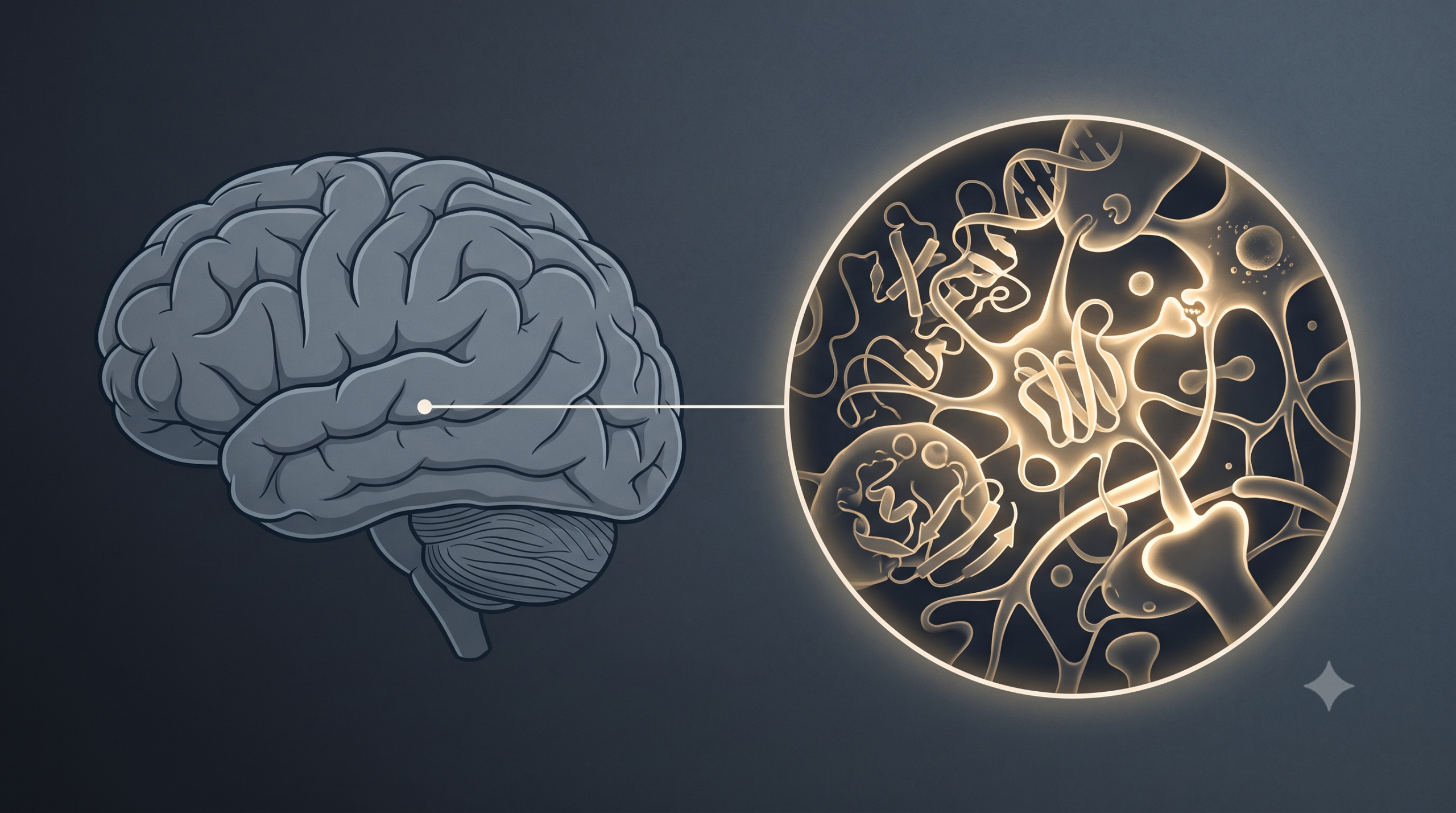
What did stand out, in follow-up research from multiple institutions, was something happening at a cellular level — inside the brain itself, tied to how certain regions were preserved and how well-connected they remained over time.
That detail is where things start to get genuinely interesting, and it's a big part of why teams at Harvard, Oxford, and even NASA's human research programs have taken an interest in this area of brain science over the past several years.
Why This Keeps Coming Up in Recent Research
We reached out to a few readers who work in adjacent fields — nursing, physical therapy, gerontology — to ask what they made of it. The most common reaction was some version of: "I've heard bits of this, but I didn't realize how specific the science had gotten."
That tracks. This isn't a mainstream headline yet. It's the kind of research that shows up in academic journals and specialist conferences long before it reaches the average person searching for ways to keep their memory sharp.
Which is a big part of why we wanted to dig into it.
Because once you start pulling on this thread — what's actually different inside a SuperAger's brain, and whether that difference can be influenced rather than just inherited — you find that a small number of researchers have been trying to answer exactly that question. And what they've been testing recently doesn't look like anything on the usual "brain health" list of diet, sudoku, or supplements.
See What Researchers FoundContinue readingThis article discusses published research for informational purposes. It is not medical advice. If you have concerns about memory or cognitive health, please consult a qualified healthcare provider.